
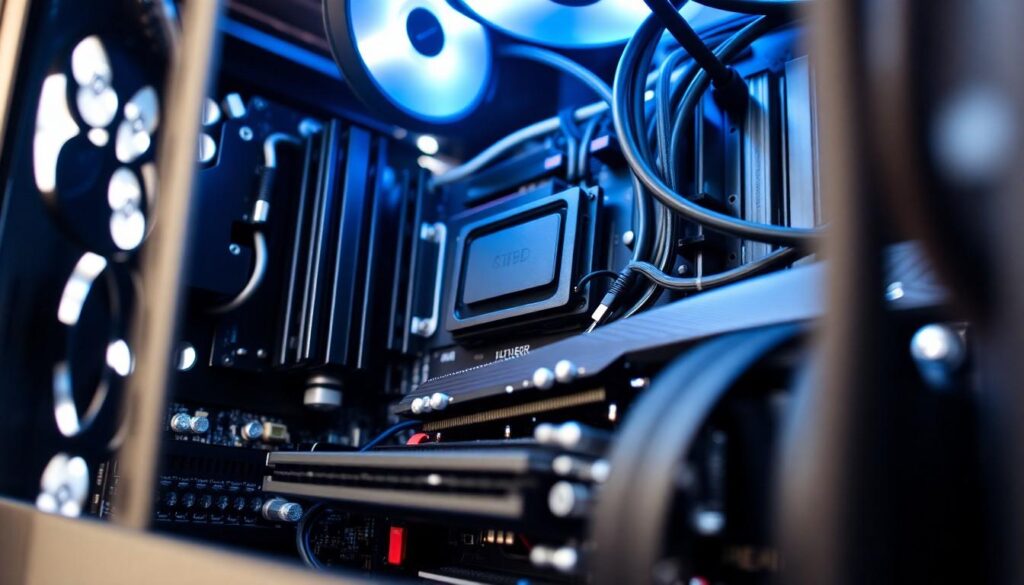

When it comes to computer hardware, most people think of the flashy exterior—the sleek monitor or the stylish keyboard. But hold on! The real magic happens inside the case, where internal components work tirelessly to make everything run smoothly. Understanding these internal parts isn’t just for tech geeks; it’s essential for anyone looking to upgrade, troubleshoot, or simply impress friends with their newfound knowledge.
Understanding Internal Computer Hardware
Internal computer hardware consists of critical components that enable a computer to function effectively. Recognizing these parts is essential for performing upgrades, troubleshooting issues, and enhancing overall performance.
Definition of Internal Hardware
Internal hardware refers to components located inside the computer case. Examples include the central processing unit (CPU), motherboard, RAM, hard drive, and graphics card. These elements work together, facilitating communication and processing tasks. While external devices help with user interaction, internal hardware drives the computer’s capabilities.
Importance of Internal Hardware
Understanding internal hardware plays a central role in computer maintenance and enhancement. Knowledge of these components allows individuals to diagnose problems accurately. Upgrading hardware, such as installing more RAM or a better graphics card, directly impacts performance. Improved hardware can lead to faster processing, higher graphics quality, and more efficient data handling. Familiarity with internal parts ultimately empowers users to make informed decisions regarding their systems.
Types of Internal Computer Hardware

Understanding various types of internal computer hardware is vital for any tech enthusiast. The following components play key roles in a computer’s functionality.
Central Processing Unit (CPU)
The central processing unit acts as the brain of the computer. It executes instructions and processes data, affecting overall performance. Modern CPUs can have multiple cores, enabling them to handle various tasks simultaneously. Processing speed is measured in gigahertz (GHz), illustrating how quickly the CPU operates. Examples of popular CPU manufacturers include Intel and AMD, each offering a range of products tailored for different needs.
Random Access Memory (RAM)
Random access memory serves as temporary storage for data that the CPU currently uses. More RAM allows a computer to run multiple applications at once without lag. The performance of RAM is often assessed in gigabytes (GB), enhancing multitasking capabilities significantly. Common types of RAM include DDR4 and DDR5, with different specifications suited for diverse tasks. Upgrading RAM can lead to smoother operation, particularly in gaming and heavy workloads.
Motherboard
The motherboard connects all internal components, acting as the main circuit board. It houses the CPU, RAM, and storage devices, facilitating communication between them. Various ports and slots are available for additional hardware, such as graphics cards and network cards. Quality motherboards come equipped with features like improved power phases and better thermal management. Selecting the right motherboard ensures compatibility with other components and influences overall system performance.
Storage Devices
Storage devices are crucial for data retention, holding operating systems, applications, and user files. They fall into two categories: traditional hard disk drives (HDDs) and solid-state drives (SSDs). SSDs are faster and more reliable, while HDDs offer more storage capacity for a lower price. Data access speed differs greatly; SSDs can significantly reduce boot times and load applications quicker. Choosing the appropriate type of storage device affects system responsiveness and efficiency.
Graphics Processing Unit (GPU)
The Graphics Processing Unit, commonly referred to as the GPU, plays a vital role in a computer’s performance, particularly in rendering graphics and processing visual data. This internal hardware component accelerates the creation of images and videos, making it essential for gaming, video editing, and graphic design tasks. High-performance GPUs improve frame rates and display quality, enhancing the overall user experience.
Today’s GPUs can handle complex calculations, surpassing traditional CPUs in graphic-related tasks. Equipped with hundreds or even thousands of cores, GPUs enable parallel processing, significantly boosting efficiency in rendering large datasets. Many modern applications, such as machine learning and artificial intelligence, leverage GPU power to handle intensive graphical computations.
GPUs are often modular and can be upgraded or replaced depending on the user’s requirements. Compatibility with different motherboards and power supply units must be considered during installation. Selecting a GPU also involves understanding specifications, such as memory size and bandwidth, which directly impact performance.
Integration with other internal components is crucial for maximizing a GPU’s capabilities. Proper cooling solutions help maintain optimal performance, preventing thermal throttling during intense workloads. Gamers and creatives benefit from high-bandwidth memory options, ensuring smooth rendering without delays.
Within the realm of internal hardware, the GPU stands out as a pivotal element that directly influences visual output and performance. Understanding this component allows users to make informed decisions about upgrades and enhancements tailored to their tasks and preferences.
Power Supply Unit (PSU)
The Power Supply Unit (PSU) serves a critical role in the functionality of a computer by converting electrical power from an outlet into usable energy for internal components. It supplies the necessary voltages to the motherboard, CPU, GPU, and other hardware, ensuring that each part operates efficiently and reliably. Adequate wattage is essential for supporting all connected components.
Quality PSUs come equipped with various protection features that safeguard the computer against electrical issues. These may include overvoltage protection, short-circuit protection, and thermal protection. Users can find PSUs rated with different efficiency certifications, such as 80 Plus Bronze, Silver, Gold, or Platinum, indicating their energy efficiency and effectiveness in power consumption.
Integration of a power supply typically involves a straightforward installation process. It connects to the motherboard through a main power connector and additional connectors for components like the GPU and storage drives. Installation should follow guidelines regarding airflow and compatibility with the case size to ensure optimal cooling.
Selecting the right PSU requires considering the total power consumption of all hardware components. Calculation methods help determine the wattage needed, factoring in future upgrades or additions. Users often prioritize reliable brands known for durability and performance as they seek a balance between cost and quality.
The PSU is fundamental to internal hardware functionality by providing the necessary power for effective operation. A well-chosen power supply can significantly impact overall system stability and longevity, enhancing user experience in computing tasks.
Evaluating Internal Hardware Components
Evaluating internal hardware components reveals their significance in overall system performance. Key components include the CPU, RAM, and GPU, each affecting speed, efficiency, and user experience.
Performance Impact
CPU performance directly influences computation speed and data processing capabilities. RAM improves multitasking, allowing several applications to run simultaneously without noticeable slowdown. GPU performance plays a vital role in graphics rendering, impacting gaming and creative tasks. A faster GPU enhances frame rates and visual quality, creating a smoother experience for users. Storage type significantly affects load times; SSDs provide quicker data access compared to traditional HDDs. Each internal component’s performance reflects on the computer’s overall efficiency and user satisfaction.
Upgrade Considerations
Upgrading internal hardware components requires careful evaluation of compatibility and performance needs. Users should prioritize upgrading the CPU or GPU for significant performance boosts in gaming and intense applications. When selecting RAM, consider both speed and capacity to optimize system responsiveness. SSDs often outperform HDDs in terms of speed, making them a valuable upgrade for improved system efficiency. Ensuring the power supply can support new components is crucial, as insufficient wattage leads to instability. Always check motherboard specifications to confirm compatibility before purchasing upgrades, maintaining a balanced and efficient system.
Understanding internal computer hardware is vital for anyone looking to enhance their system’s performance. Each component plays a specific role in ensuring optimal functionality. The CPU processes data the RAM boosts multitasking the motherboard connects everything and storage devices determine speed and efficiency. The GPU is crucial for graphics-intensive tasks while the PSU provides necessary power to keep it all running smoothly.
By familiarizing themselves with these internal parts users can make informed decisions about upgrades and maintenance. This knowledge not only enhances their computing experience but also empowers them to tackle issues that may arise. Investing time in understanding internal hardware ultimately leads to a more efficient and powerful computer system.


