
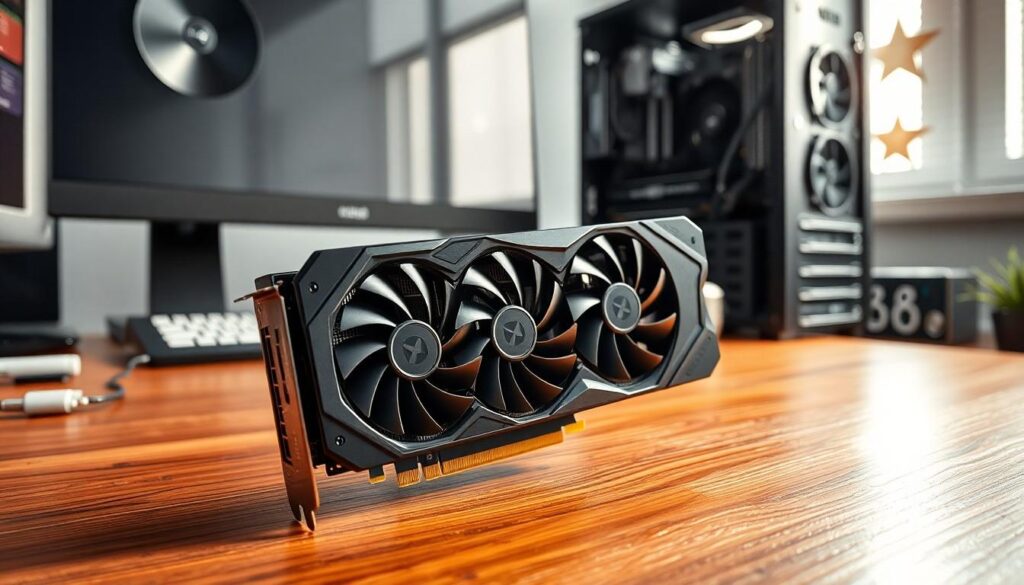

When it comes to setting up a computer, compatibility is king. Imagine buying the latest graphics card only to find it doesn’t play nice with your operating system. That’s like trying to fit a square peg in a round hole—frustrating and a tad ridiculous. A list of computer hardware that’s proven to work seamlessly with a specific OS is what every tech-savvy user craves.
Understanding Compatibility Lists
Compatibility lists compile computer hardware validated to work seamlessly with a specific operating system. Such lists reduce the likelihood of purchasing incompatible components, ensuring a smoother setup experience.
Definition of Compatibility Lists
Compatibility lists serve as authoritative references that help users identify hardware components that integrate well with their operating system. Each entry typically includes the name and specifications of the hardware, ensuring users make informed decisions. Manufacturers and user communities often contribute to these lists, making them reliable resources when selecting components for new builds or upgrades.
Importance in Computing
Understanding compatibility lists is essential for effective computer setup. Many users experience performance issues or functionality failures due to incompatible hardware. These lists enhance user confidence, streamline the upgrade process, and support informed purchasing decisions. By utilizing compatibility lists, tech-savvy users can optimize their systems and avoid the frustration of hardware failures.
Types of Compatibility Lists

Compatibility lists come in various forms, each serving a unique purpose in helping users choose the right hardware for their operating system. The two most common types are official lists from manufacturers and community-generated lists.
Official Lists from Manufacturers
Manufacturers often provide official compatibility lists for their products. These lists include hardware components like motherboards, graphics cards, and peripherals that work well with specific operating systems. Using these lists ensures users select components that meet the manufacturer’s criteria, reducing the risk of encountering issues. Components on these official lists undergo rigorous testing for compatibility, giving users peace of mind when making purchases. They are frequently updated to reflect new releases and system updates, ensuring users have access to the latest information.
Community-Generated Lists
Community-generated lists feature contributions from tech enthusiasts and users who have firsthand experience with various hardware and operating systems. These lists provide insights into real-world compatibility, showcasing combinations that may not appear on official lists. The collaborative nature of community lists fosters an environment of shared knowledge, allowing users to benefit from others’ successes and failures. Users often find tips and tricks related to installation or performance enhancements in these lists. Frequent updates also help maintain relevance, making these resources valuable for navigating the evolving landscape of computer hardware compatibility.
Examples of Operating Systems
Operating systems (OS) require specific hardware compatibility for optimal performance. Below are details regarding compatibility lists for popular operating systems.
Windows Compatibility List
Windows provides an official compatibility list for hardware components. This list outlines devices such as graphics cards, motherboards, and peripherals that Microsoft has tested. Users benefit from knowing which hardware has passed Windows certification, ensuring seamless integration. Additional insights from community forums often supplement this information, detailing user experiences. Third-party manufacturers also publish their own compatibility lists, aligning their products with Windows requirements. Users can reference these lists to make informed purchases, reducing the likelihood of compatibility issues.
Linux Compatibility List
Linux compatibility varies across distributions. Each Linux distro, like Ubuntu or Fedora, maintains its own compatibility list, detailing hardware known to function smoothly. These lists commonly include graphics cards, network adapters, and sound devices that have been tested with the specific distribution. Community members frequently contribute to these lists, sharing their real-world experiences and workarounds for less common hardware. Many Linux users find these compiled resources essential, especially as they navigate the diverse hardware landscape. Utilizing these valuable resources helps enhance user experience and system performance.
macOS Compatibility List
macOS compatibility is tightly controlled by Apple. The official compatibility list outlines supported hardware for each macOS version. Typically, Apple certifies specific models of laptops and desktops, ensuring that only compatible hardware works efficiently with macOS. Additionally, third-party options exist, often referenced by users seeking enhanced performance or features. Community forums provide insights into hardware modifications and upgrades. These resources help users confidently explore their options while ensuring compatibility with macOS standards. Using this information enables smoother operation and longevity of devices running macOS.
Benefits of Using Compatibility Lists
Compatibility lists play a critical role in enhancing computer performance and user experience. They minimize issues related to hardware malfunction by ensuring that components match the operating system requirements.
Ensuring Optimal Performance
Optimal performance is achievable when users select hardware validated for specific operating systems. Compatibility lists detail components tested for reliability, allowing users to avoid underperforming parts. They provide insights into system requirements, ensuring that each component works seamlessly together. Users gain confidence when integrating new hardware, knowing it complements existing setups without causing slowdowns or crashes. Furthermore, these lists often include recommendations for upgrades and enhancements. By relying on compatibility data, users can prioritize buying efficient components that boost performance rather than risking subpar options.
Reducing Installation Issues
Installation complications often arise from using incompatible hardware. Compatibility lists alleviate these concerns by guiding users toward components that are guaranteed to work with their operating system. They provide a clear reference point for users to check before making purchases. Accessing these lists often leads to smoother installations, significantly cutting down on troubleshooting time. Users can proceed with installation knowing that the hardware will function correctly right from the start. Additionally, these resources sometimes include user-generated tips that further simplify the setup process. As a result, users enjoy a more efficient experience, avoiding frustrating setbacks during installation.
Utilizing compatibility lists is essential for anyone looking to optimize their computer setup. These lists not only provide a clear pathway to selecting the right hardware but also enhance the overall user experience. By relying on official and community-generated resources, users can make informed choices that prevent frustration and performance issues.
Whether upgrading or building a new system, understanding which components work seamlessly with a specific operating system is crucial. This knowledge empowers users to achieve optimal performance and longevity from their devices. Embracing compatibility lists ultimately leads to a smoother installation process and a more enjoyable computing experience.


